Best TRT for Bodybuilders 2026: Flexible-Dosing Telehealth Services
Which online TRT services offer flexible dosing and bodybuilder-friendly protocols in 2026. Plus monitoring and ancillary considerations.
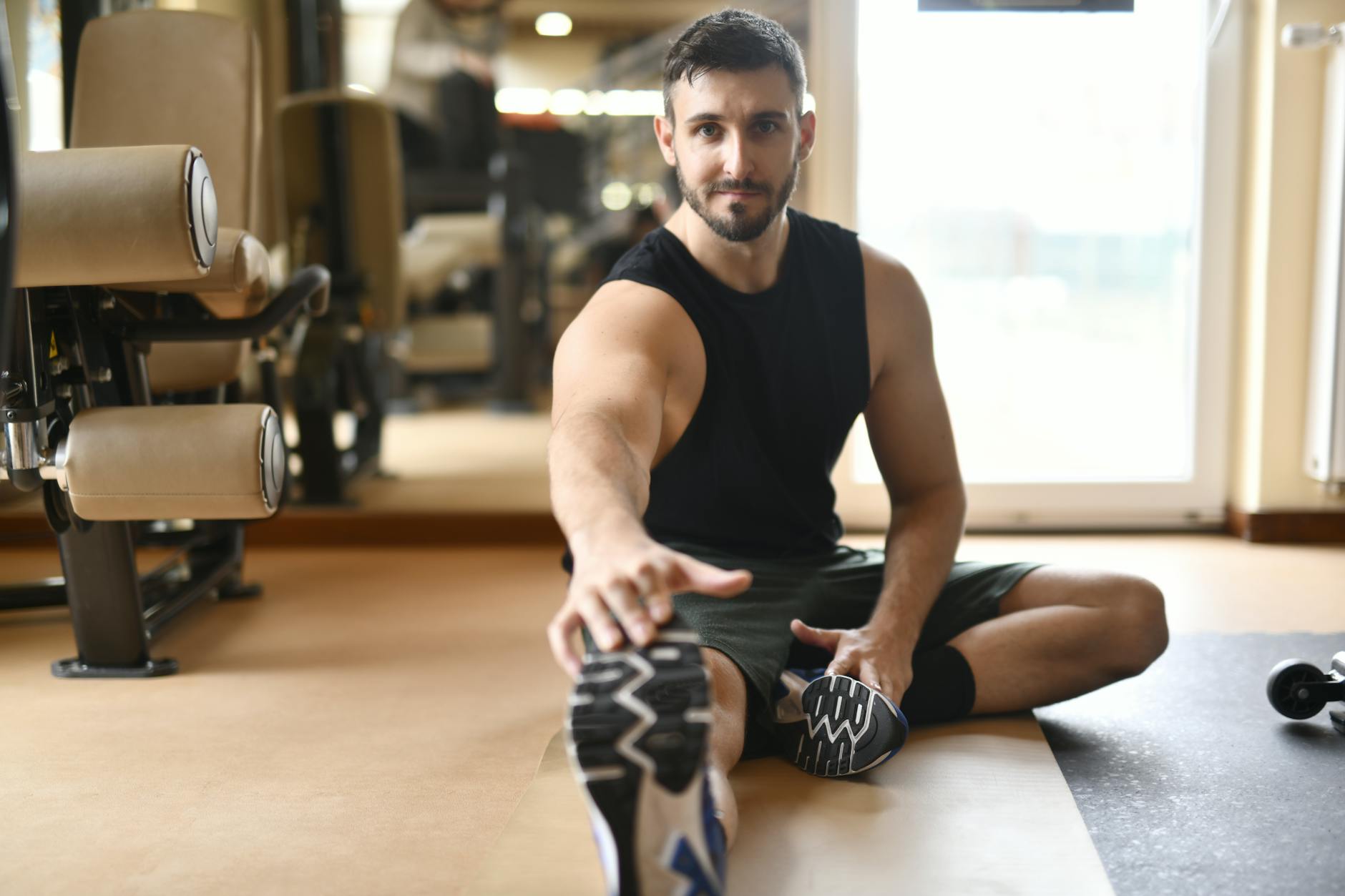
There’s an important distinction between TRT for replacement and TRT for optimization. Standard TRT aims to restore testosterone to a physiologically normal range for your age — typically 500–900 ng/dL. Some men, particularly those who train seriously, come in at 300–400 ng/dL and want to get to the higher end of the normal range. That’s medical TRT done correctly.
This guide covers how online TRT services handle protocols for men with active training lifestyles — flexible dosing within medical guidelines, comprehensive monitoring, and access to ancillary medications that support health on higher-end protocols. It doesn’t cover steroid cycles or supraphysiologic dosing, which fall outside the scope of any legitimate telehealth TRT service. Talk to a licensed provider about what protocol is appropriate for your labs and goals.
Why Bodybuilders Seek TRT
Hard training — particularly high-volume strength training, endurance work, or competition preparation — can suppress testosterone. Chronic caloric restriction, overtraining, and sleep deprivation all impact the hypothalamic-pituitary-testicular axis. A competitive natural athlete in his 30s may have testosterone levels that look more like a sedentary 50-year-old’s.
Low T in active men presents the same way as in sedentary men: slower recovery, decreased motivation, strength plateaus, increased body fat even with high training volume, sleep issues, and libido changes. The difference is that athletic men sometimes attribute these symptoms to training load rather than hormonal status, delaying evaluation.
The legal and medical path: Getting testosterone to the upper-normal range through a physician-managed TRT protocol is legal, medically legitimate, and meaningfully different from steroid cycles aimed at supraphysiologic levels. The two are categorically different in intent, dosing, and regulatory status.
Flexible-Dosing Services
Bodybuilders and serious athletes need telehealth providers who understand that protocol optimization isn’t the same as enhancement. The best providers in this space work with lab results and symptoms to dial in testosterone levels — not just hitting the minimum threshold.
Peter MD is the strongest option for men who want serious protocol depth. Their hormone physicians understand the difference between “technically in range” and “optimized for an active man.” They’re willing to work toward the upper end of physiologic range when labs and symptoms support it, and their monitoring is comprehensive enough to manage it safely.
Maximus Tribe is a strong option for men who want flexibility between SERM-based and injectable approaches. For men whose testosterone needs are in the moderate range, enclomiphene can sometimes achieve upper-normal levels without exogenous testosterone. For men who need injectable TRT, Maximus offers protocol flexibility with physician oversight.
Hone Health is solid for men who want a clean, well-monitored injectable protocol. Less protocol customization than Peter MD, but reliable for standard high-normal TRT.
What to look for in a TRT provider for active men:
- Willing to target upper-normal testosterone range (700–1000 ng/dL), not just “normal”
- Includes free testosterone and SHBG in labs (total T alone tells an incomplete story)
- Monitors estradiol, hematocrit, BP, and liver panel as standard
- Accessible for protocol adjustments when lab results or training load changes
- Comfortable prescribing ancillary medications (anastrozole, hCG) as needed
Monitoring Requirements
Active men on TRT have specific monitoring needs that differ from sedentary patients:
Hematocrit / Hemoglobin: TRT increases red blood cell production. Active men, who often already have somewhat elevated hematocrit from training, can push into ranges that increase clotting risk if not monitored. Hematocrit above 52–54% typically triggers protocol review or therapeutic phlebotomy. This should be checked at every monitoring visit.
Estradiol (E2): Testosterone aromatizes to estrogen. Higher testosterone levels — and higher body weight — increase aromatization. Elevated E2 causes water retention, mood instability, and can blunt the training response. For men who train hard, keeping estradiol in the 20–40 pg/mL range is typically the target, though optimal varies individually.
Blood pressure: TRT combined with high training loads and potentially creatine use can elevate blood pressure. Annual or semi-annual monitoring is minimum; quarterly is better for active protocols.
Liver panel (ALT/AST): Injectable testosterone is processed differently than oral formulations and doesn’t stress the liver the way oral steroids do, but a baseline and periodic check is standard clinical practice.
Lipid panel: TRT can affect HDL/LDL ratios. Active men already have favorable lipid profiles in most cases, but monitoring is still warranted.
PSA: Relevant for men over 40. TRT doesn’t cause prostate cancer, but it can accelerate growth of existing prostate issues. Baseline and monitoring are standard.
Ancillaries
Active men on TRT often discuss two ancillary medications with their providers:
Anastrozole (aromatase inhibitor): Used to manage estrogen when aromatization is elevated. Not everyone needs it — some men on standard TRT doses don’t aromatize excessively. But for men on higher-end protocols or men with higher body fat who aromatize more, anastrozole (or exemestane) keeps E2 in the target range. Compounded anastrozole runs $20–$50/mo.
hCG (human chorionic gonadotropin): LH mimetic that maintains testicular function and fertility while on TRT. For men who want to maintain testicular size and preserve fertility options, hCG is a common add-on. Costs $50–$150/mo. Not all platforms prescribe it — verify at sign-up.
Both are legal prescription medications when prescribed by a licensed physician. They’re standard components of well-managed TRT protocols for men who need them, not performance enhancers. Discuss with your provider whether they’re appropriate for your specific protocol.
Important Distinction: Medical TRT vs Steroid Cycles
This needs to be clear:
Medical TRT aims to restore testosterone to physiologically normal levels (typically 500–1000 ng/dL total testosterone). It’s prescribed by a physician, monitored with regular bloodwork, uses clinical dosing, and is legal with a valid prescription.
Steroid cycles involve dosing testosterone and other anabolic compounds at supraphysiologic levels (often 3–10x normal range), sometimes stacked with multiple compounds, without medical oversight. This is outside the scope of any legitimate telehealth TRT service, involves significantly higher health risks, and constitutes illegal use of controlled substances without a valid prescription.
The telehealth platforms in this guide operate exclusively in the medical TRT space. If a platform is offering supraphysiologic dosing or ignoring standard monitoring requirements, that’s not a competitive advantage — it’s a red flag.
Cross-Link: Supporting Supplements
Effective TRT in bodybuilding contexts often involves supporting supplements (zinc, magnesium, vitamin D, ashwagandha). For evaluating supplement brands and ingredients, see SupplementChecker.co — our companion site rating supplement brand trust.
FAQ
Can I get TRT prescribed specifically for gym performance?
Telehealth TRT is prescribed for clinically low testosterone, not for performance enhancement. If your labs show low T and you have symptoms, a physician can prescribe TRT. The fact that you also train seriously doesn’t disqualify you — it may actually make treatment more relevant. What telehealth platforms won’t do is prescribe testosterone as a performance drug to men with normal hormone levels.
Do any online TRT platforms monitor hematocrit?
Yes — any responsible TRT provider includes hematocrit in monitoring panels. If a platform isn’t checking your hematocrit at follow-up labs, that’s a concern. Peter MD, Hone, and Maximus all include comprehensive monitoring panels.
Will TRT help with training recovery and strength gains?
Restoring testosterone from clinically low levels to the normal range can improve recovery, strength, lean mass, and training motivation. The gains come from normalizing a deficiency, not from pharmacological enhancement. Men who were genuinely low-T often notice significant training improvements on TRT. Men who were already in normal range won’t see the same effect.
Can I stay on TRT indefinitely?
Yes — TRT is often a long-term treatment, not a short-term fix. Most men who start TRT for hypogonadism stay on it indefinitely unless they have a specific reason to discontinue. Your physician will monitor you regularly to ensure continued safety and clinical appropriateness.